


Delving into the World of Irresistible Italian Desserts
Italian cuisine is renowned worldwide, but there’s something particularly enchanting about Italian desserts. From creamy gelato to sinful tiramisu, these sweet treats are a testament to Italy’s rich culinary heritage. Join me as we explore some of the most irresistible Italian desserts that promise a delightful indulgence.
A Brief History of Italian Desserts
Italian desserts have a rich history that dates back centuries. Influenced by various regions and cultures, these sweet dishes have evolved over time, drawing inspiration from both rural traditions and royal courts.
Tracing back to the Roman Empire, desserts were once simple, made from honey and fruits. As trade routes expanded, sugar, chocolate, and spices began to embellish Italian desserts, adding complexity and richness. The Renaissance period saw the integration of lavish ingredients, reflecting the opulence of the time. These foundational elements have been preserved in modern recipes, keeping the soul of the dessert intact.
In recent decades, the art of Italian pastry has seen innovation, yet the respect for tradition remains strong. Many desserts that were once served in aristocratic banquets now find their way into cozy family kitchens. The diversity in regional tastes continues to enrich Italy’s dessert repertoire, making each dessert a historical relic with stories passed through generations.
Exploring Classic Italian Desserts
Italy boasts a variety of classic desserts, each with its unique flavors and textures. Tiramisu, for instance, is a beloved favorite, while panna cotta and cannoli offer a creamy indulgence. Let’s take a closer look at what makes these classics so special.
The allure of tiramisu lies in its layers of coffee-soaked ladyfingers and mascarpone cream. This dessert, with its origins in the 1960s, has quickly soared to international fame thanks to its perfect balance of bitterness and sweetness. Similarly, a well-crafted panna cotta is a sublime experience, often accompanied by a tangy berry sauce that complements its creamy texture.
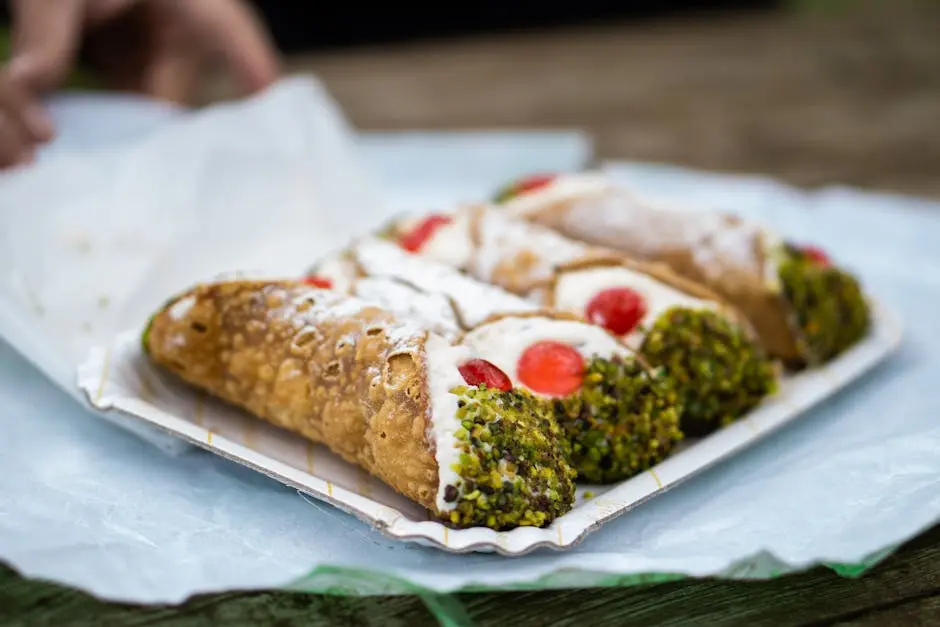
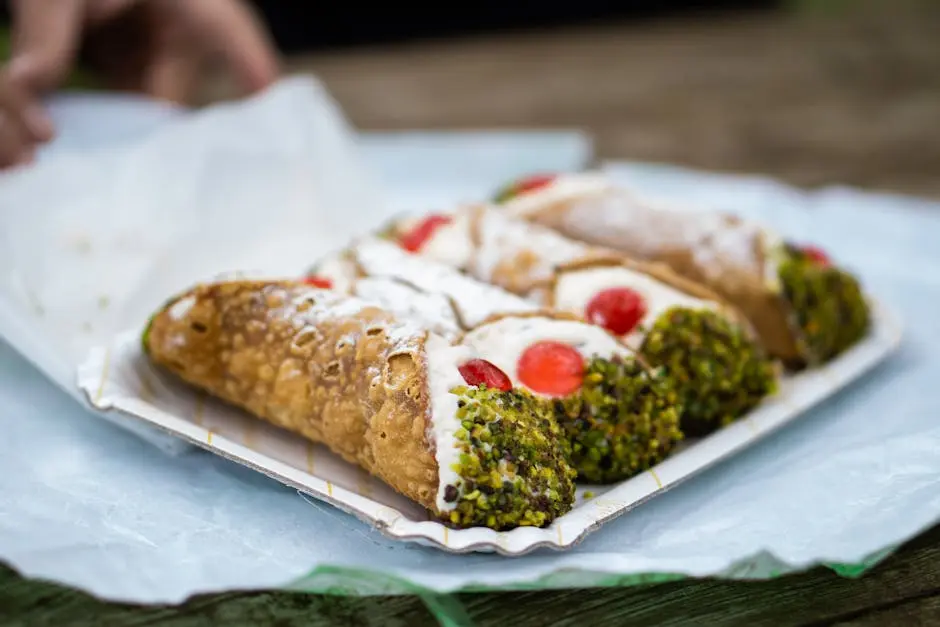
Cannoli, hailing from Sicily, stand as a testament to local ingredients such as fresh ricotta and pistachios. The crispy shell contrasting with the rich filling makes it a delight in every bite. These desserts have transcended their origin stories, captivating palates worldwide and becoming staples on dessert menus everywhere.
Another dessert often overlooked is the tartufo, a heart of gelato encapsulated in a chocolate shell, usually topped with cocoa powder or nuts. Each spoonful of tartufo reveals a hidden cherry or nugget of joy, making it as thrilling as a treasure hunt.
Regional Delights: Sweets from Different Parts of Italy
Italy’s regions each have their signature desserts reflecting local ingredients and traditions. From Sicily’s ricotta-filled cannoli to Tuscany’s almond biscotti, these treats showcase the diversity of Italian confectionery.
Venturing to Naples, one cannot miss the sfogliatella, a shell-shaped pastry whose flaky layers encapsulate a ricotta and semolina filling. In contrast, Veneto offers a taste of simplicity with the zouples of creamy zabaglione, a heavenly mix of egg yolks, sugar, and wine.
In the north, Piedmont brings us the baci di dama, or “lady’s kisses,” hazelnut cookies renowned for their melt-in-your-mouth goodness. Meanwhile, Sardinia boasts its seadas, a unique blend of pecorino cheese within a crispy shell, drizzled with honey—a nod to the island’s pastoral traditions.
Each dessert reflects the local culture, geography, and culinary evolution of the region it hails from, providing a sweet narrative of Italy’s rich tapestry.
Modern Twists on Traditional Favorites
While traditional recipes hold a special place in Italian cuisine, modern chefs are reimagining these classics with innovative twists. Discover how traditional flavors are being reinvented for contemporary palates.
The marriage of tradition and innovation is seen in contemporary takes on classics like gelato, where traditional flavors like vanilla and chocolate are now being paired with exotic spices such as saffron, or even floral elements like lavender, creating a symphony of flavors that both honors the past and excites the future.
Panna cotta is witnessing a renaissance, with chefs infusing figs, citrus, and herbs to elevate its essence. Cannoli fillings have expanded beyond ricotta to include citrus creams and nutty pralines, each complementing the traditional crispy shell. These creative adaptations ensure that Italian dessert culture remains vibrant and evolving.
Making Italian Desserts at Home
For those eager to bring a taste of Italy into their own kitchens, many Italian desserts are surprisingly easy to make at home. Let’s explore some simple and luscious recipes you can try yourself.
Starting with a classic tiramisu, you need just six ingredients—ladyfingers, espresso, mascarpone, sugar, cocoa, and eggs. It’s a no-bake option, making it perfect for spontaneous dessert cravings. For something lighter, panna cotta requires minimal effort and provides a creamy, luxurious end to any meal.
For those who enjoy a bit of culinary crafting, the preparation of cannoli offers the challenge of creating the perfect shell, rewarding your efforts with a delectable, creamy filling. And don’t worry—there’s plenty of guidance available for each step. Recreating these treats allows you to appreciate the balance and depth of authentic Italian flavors right in your home.
Explore the vastness of Italian dessert recipes on our website to bring a piece of Italy into your kitchen.
A Sweet Farewell to Italian Delights
Italian desserts offer a journey through Italy’s regional diversity and culinary artistry. Whether it’s a classic tiramisu or a refreshing granita, each dessert reflects the heart and soul of Italian culture. I hope this exploration has inspired you to indulge in the sweet world of Italian delights and perhaps even try making some of them at home. If you’re looking to experience authentic Italian cuisine, consider visiting our homepage to learn more about our offerings.
