


A Beginner’s Guide to Savoring Italian Wines
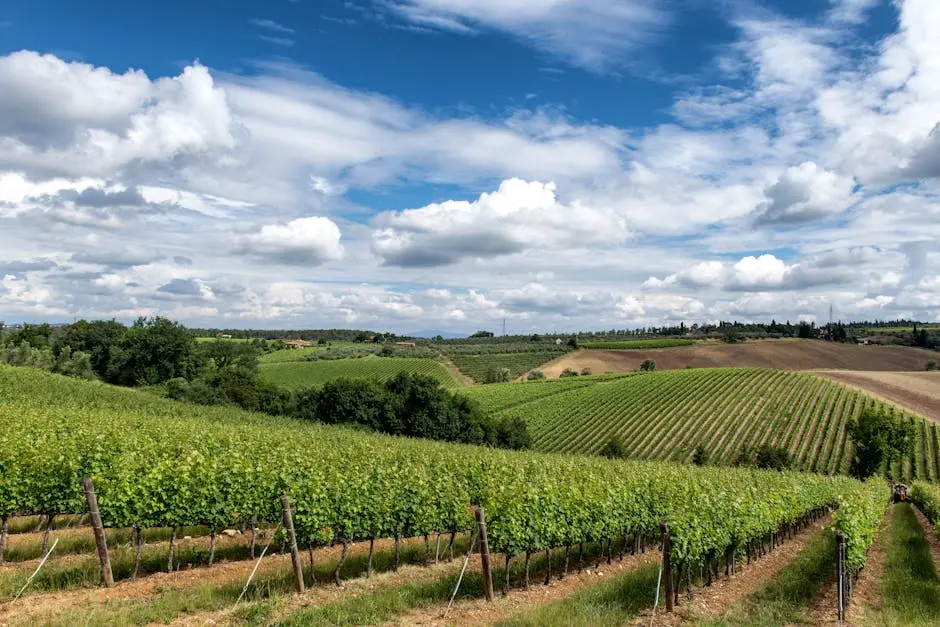
Embarking on a journey through the vineyards of Italy, even virtually, is an invitation to indulge in flavors that embody tradition, passion, and craftsmanship. Whether you are a novice wine enthusiast or a curious traveler in the realm of Italian wines, this guide promises to simplify your exploration and enhance your appreciation of Italy’s finest offerings.
Understanding Italian Wine Labels
Navigating Italian wine labels can seem daunting, but once you understand the basic components, you’ll find it much easier to choose a wine that suits your palate. From DOCG to vino da tavola, each designation holds a key to quality and production methods. DOCG stands for Denominazione di Origine Controllata e Garantita, Italy’s highest quality assurance label. It indicates the wine’s origins, grape variety, and production methods are strictly regulated, ensuring a high standard. On the other end, vino da tavola represents table wine, usually comprised of younger, less mature grapes, which often results in a more casual and affordable option. Recognizing these terms allows you to appreciate the craftsmanship behind each bottle and select wines with confidence.
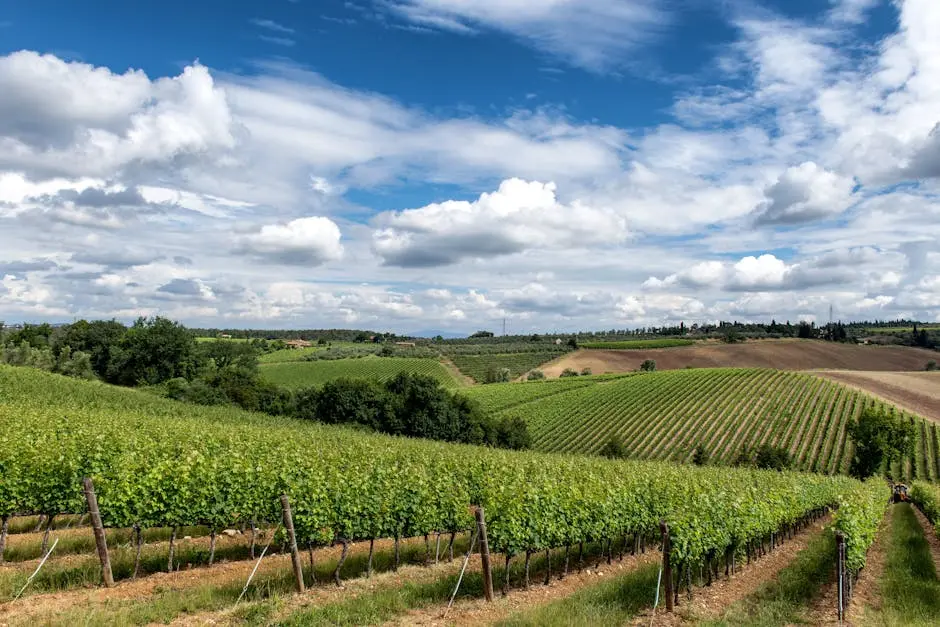
An important aspect of understanding Italian wine labels is knowing the meaning behind the regions mentioned. Italy’s wine regions can vary significantly in climate, soil, and elevation, all of which influence a wine’s profile. For example, wines from the Chianti region, mostly made from the Sangiovese grape, tend to be bold with cherry and spice notes. On the other hand, wines from the Piedmont region, particularly those from Barolo, are known for their rich and complex flavors. Being familiar with these regions helps you anticipate the wine’s taste and make informed choices about what might best suit your meal or occasion.
Another factor to consider is the vintage of the wine, which refers to the year the grapes were harvested. Some years may produce better wines due to favorable weather conditions, making certain vintages more sought after. Understanding vintage can greatly enhance your wine-savvy skills, allowing you to discern exceptional years from more average ones.
Exploring Key Italian Wine Varietals
Italy is home to a diverse array of wine grapes, some of which are found nowhere else in the world. Familiarize yourself with notable varietals like Sangiovese, Nebbiolo, and Barbera, each offering distinct flavors and characteristics that reflect their origins. Sangiovese, the grape behind Chianti wines, is known for its savory flavors and medium tannins, often with hints of black cherry and plum. Meanwhile, Nebbiolo, primarily grown in Piedmont, produces powerful, full-bodied wines with high acidity, known for their rose, cherry, and anise notes.
Let’s not overlook Barbera, another Piedmont staple. It offers lower tannins with high acidity, providing delightful plum and cherry flavors and a smooth finish. Then there’s the rich and opulent Amarone, made from partially dried Corvina grapes, resulting in a robust and complex wine perfect for aging. Exploring these varietals is like opening a window into Italy’s many diverse wine-producing regions, each with its unique geographical and cultural influences.
Another exceptional varietal is Cortese, which hails from the Gavi region, known for producing crisp and refreshing white wines. These wines are perfect for pairing with light dishes like salads and seafood. As you explore these hardy varietals, notice how each wine speaks to the terroir, especially in terms of the climate and soil composition that nurtures the vines. Remember to savor these experiences slowly, allowing their stories from the vineyard to unveil sip by sip.
The Art of Tasting Italian Wines
Tasting wines involves more than just a sip. Learn how to appreciate the color, aroma, and taste of Italian wines by following a simple step-by-step tasting guide that will enrich your experience and heighten your senses. Start by observing the wine’s color against a white backdrop, as the hue can indicate age and varietal characteristics. Younger reds often have brighter, ruby hues, while aged wines exhibit more garnet tones, contributing to their complexity.
Next, gently swirl the wine in your glass to release its aromas, then take a moment to breathe in the scents. This step is crucial as it awakens your senses and helps you identify different notes such as berries, earth, flowers, or spices, which are hallmarks of the wine’s unique profile. Finally, take a sip, letting the wine coat your palate and paying attention to its structure, including acidity, tannins, and body.
While sipping, notice any flavors that emerge and their duration, often referred to as the wine’s ‘finish.’ A longer finish indicates complexity and quality, leaving a lasting impression. Practice this approach with different Italian wines to develop a keen sense of appreciation and discovery, enhancing your tasting experiences.
Pairing Italian Wines with Food
Pairing wine with food can enhance the flavors of both your meal and your wine. Discover basic Italian wine and food pairings, and learn why certain combinations work well, transforming a simple meal into a gourmet experience. For starters, consider pairing a rich Barolo with hearty meat dishes like braised beef or lamb shanks, as the wine’s high tannins and acidity balance beautifully with the meat’s richness.
For pasta dishes, try a medium-bodied Chianti or Montepulciano d’Abruzzo, which complement tomato-based sauces perfectly. If you’re enjoying seafood, a crisp Vermentino or Gavi pairs beautifully with its light and refreshing notes, enhancing the sea’s flavors without overpowering them. Experimenting with these combinations and noticing how different elements interact can be a delightful journey for your taste buds.
Finally, for desserts or aged cheeses, consider a luxurious Vin Santo, an Italian dessert wine that offers a perfect sweet note to end a meal. The balance of sweetness and acidity in Vin Santo pairs exceptionally well with both biscotti and cheeses, rounding out the flavors beautifully. Such pairing experiences are not only about complementing flavors but also about understanding the harmony between wine and food that elevates both to new heights of enjoyment.
Savoring Italian Wines: A Journey Worth Taking
Italian wines offer a delightful adventure through taste and tradition, where each bottle tells a unique story of its region. By understanding the basics of Italian wine labeling, key varietals, and how to taste and savor each glass, you’ll be well-equipped to enjoy what Italy has to offer. So, pour yourself a glass, and toast to the rich heritage of Italian wines. To learn more about how you can explore these wines, visit our homepage for further details.
