


What Makes Italian Desserts Unique?
Italian desserts are loved worldwide for their unique flavors and rustic charm. From creamy gelato to delicate biscotti, these sweets offer a taste experience that is unlike any other. But what exactly makes Italian desserts stand out? Let’s explore the factors that contribute to their distinctiveness.
Cultural Influences and History
Italian desserts are steeped in history, with recipes often passed down through generations. Each region in Italy has its own culinary traditions, which are reflected in their sweets. This blend of history and culture creates a diverse dessert landscape.
One of the key historical influences is Roman cuisine, which introduced ingredients such as honey and dried fruits into dessert making. Over the centuries, influences from neighboring countries and invaders like the Moors brought new flavors and ingredients such as almonds and pistachios. As a result, Italian desserts have evolved while still preserving the essence of traditional recipes.
Furthermore, Italian festivals and religious events have a significant impact on dessert recipes. For instance, the Panettone, a staple during Christmas celebrations, is a classic example of how Italian culture is woven into dessert traditions. Such cultural celebrations maintain the rich tapestry of Italian culinary heritage.
Quality of Ingredients
A hallmark of Italian desserts is the use of high-quality, fresh ingredients. From rich mascarpone cheese to ripe fruits and fine chocolate, these ingredients enhance the natural flavors of each dessert, making them rich and satisfying.
In Italy, culinary philosophy places a strong emphasis on authenticity. This is why many desserts are made with locally sourced ingredients that reflect the seasons. The freshness of ingredients such as orchard fruits and nuts harvested close to home ensures a profound depth of flavor in each confection.
This love for quality extends to simple ingredients like flour and eggs, which contribute to iconic creations like the classic Tiramisu. It’s not just about the taste, but the way these superior ingredients blend together to create a perfect mouthfeel that sets Italian desserts apart.
Variety Across Regions
Italy’s diverse regions offer a wide range of desserts, each with its unique twist. Whether it’s the nutty flavors of Tuscan cantucci or the citrus notes of Sicilian cassata, there’s something special to discover in every corner of Italy.
The north of Italy is known for creamy desserts, like the sweet, layered structure of the Piedmontese Bonet. In contrast, southern Italy celebrates bold flavors, as seen in the zest of Limoncello cake from the Amalfi Coast, which captures the essence of regional specialties.
This diversity not only showcases Italy’s regional contrasts but also highlights the adaptability of Italian chefs, who skillfully incorporate local ingredients and traditional methods to surprise and delight with unexpected combinations in their culinary creations.
Traditional Techniques
The art of making Italian desserts often involves traditional techniques that have been perfected over time. Methods such as slow-churning for gelato or layering for millefoglie add depth and texture, showcasing the craftsmanship involved in Italian pastry making.
For example, gelato is churned at a slower speed, which integrates less air, resulting in a denser, creamier product compared to regular ice cream. The exacting processes involved, including the perfect balance of temperature and timing, are key to executing this beloved dessert.
Likewise, creating the delicate layers of a panna cotta involves careful attention to the cooling process, ensuring the final product is silky smooth without being overly firm. This precision is a testament to the dedication and passion Italian artisans have for maintaining the integrity of these cherished recipes.
Sweet and Simple Flavors
Italian desserts are celebrated for their balance of flavors. They often rely on a few key ingredients to let the natural tastes shine. This simplicity is a testament to the elegance and sophistication of Italian dessert creations.
A perfect illustration of this simplicity is the classic biscotti, which uses just a handful of ingredients but delivers a satisfying crunch and subtle almond flavor that perfectly complements an afternoon espresso. This philosophy of ‘less is more’ is why these desserts resonate with so many.
Delicious recipes like panna cotta or zabaglione exemplify how a minimalist approach can evoke joy through taste and texture, reinforcing the idea that great desserts do not need to be overly complex to be extraordinarily delightful. Explore more of these exquisite tastes by visiting our dessert menu.
Why Italian Desserts Are a Class Apart
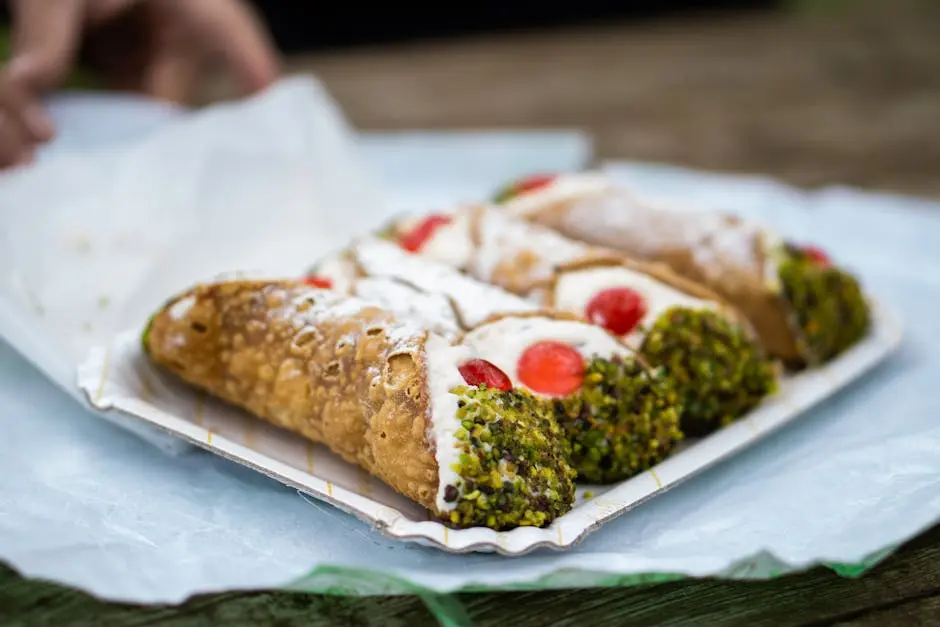
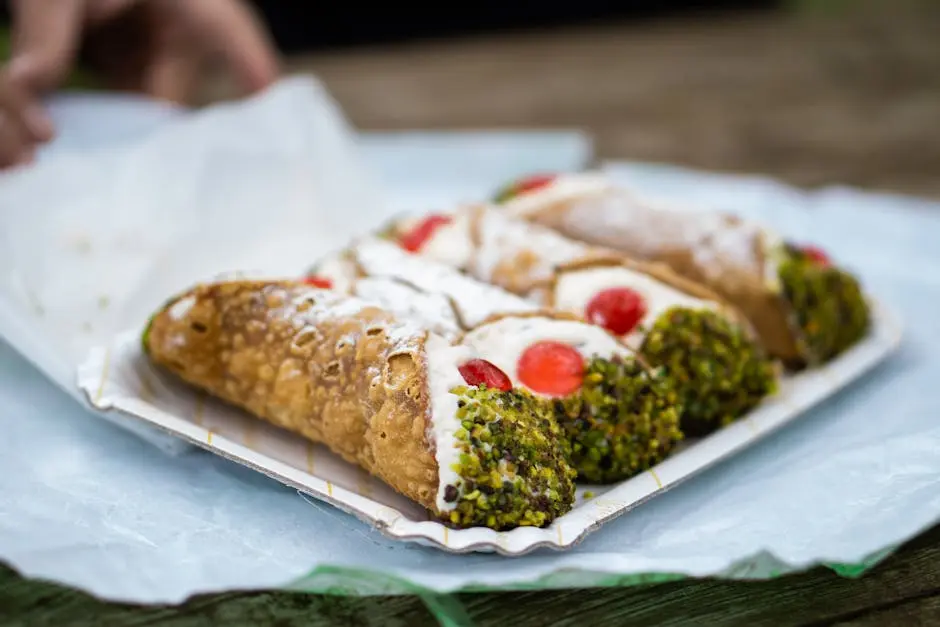
From the deep roots in tradition to the use of fresh and quality ingredients, Italian desserts hold a special place in the world of sweets. Their diversity and regional influences provide a unique culinary adventure that delights dessert lovers everywhere. Whether you are savoring a classic tiramisu or an adventurous cannoli, Italian desserts promise an unforgettable experience.
